What is the best driveway ramp material for heavy vehicle use?Door Access & Kerb Ramps for Safe Transitions
Ensure safe, smooth access across thresholds, kerbs, and uneven surfaces with our range of door access and kerb ramps. Whether you're looking for portable ramps, rubber threshold ramps, or aluminium kerb ramps, eSafety Supplies offers compliant, durable solutions designed for wheelchair users, trolleys, and site equipment. Built for Australian conditions, these ramps provide non-slip, stable transitions in residential, commercial, and industrial environments.
Why Choose Our Access Ramps?
- High-Quality Construction – Rubber and aluminium ramps built to withstand high loads and constant use.
- AS Compliant – Designed to meet Australian standards for access and safety.
- Weather Resistant – Ideal for indoor or outdoor use in rain, heat, and UV exposure.
- Versatile Range – Multiple sizes, heights, and materials to suit every entry point.
- Easy to Install – No tools required for most models—just place and use.
Types of Access & Kerb Ramps
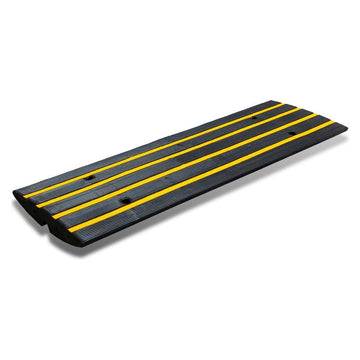
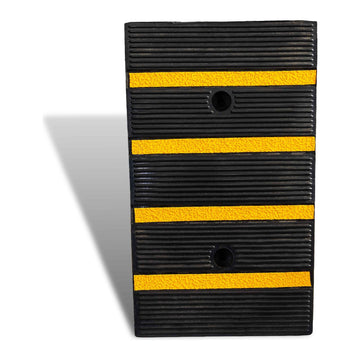
Rubber Ramps
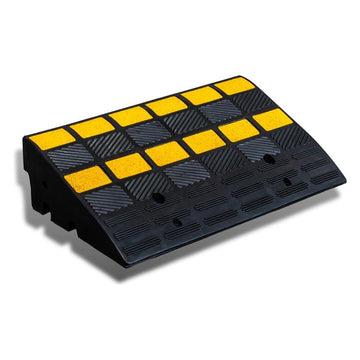
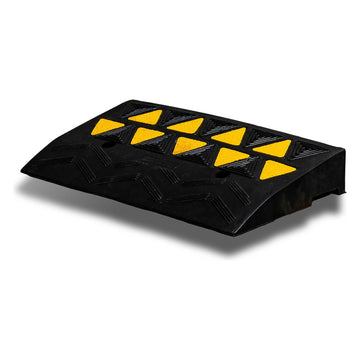
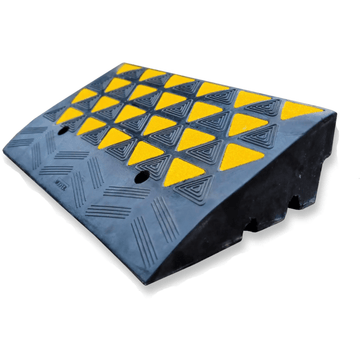
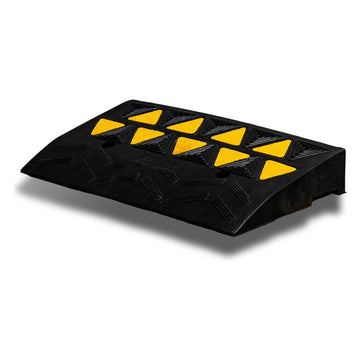
Heavy-duty rubber ramps designed for driveways, kerbs, and uneven flooring. Their non-slip surface and modular design suit both temporary and permanent installations.
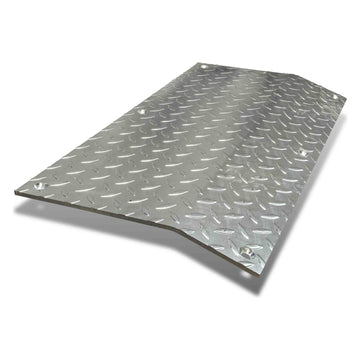
Aluminium Ramps
Lightweight and corrosion-resistant, these are perfect for vehicle kerbs, low thresholds, and industrial sites needing high-load access.
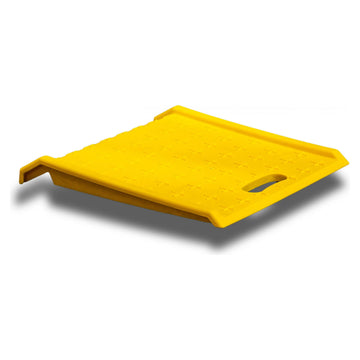
Portable Threshold Ramps
Ideal for wheelchairs, walkers, and small equipment. Compact, lightweight designs make them easy to move and deploy on the go.
Ideal Applications for Ramps
Residential or Personal Use:
- Home wheelchair access
- Mobility scooter entry over thresholds
- Driveway lips or small kerbs
Commercial or Industrial Use:
- Warehouse trolley ramps
- Loading dock transitions
- Event equipment and venue access
Government or Public Spaces:
- Council footpath transitions
- Aged care and medical facilities
- Temporary access at public events
Installation & Maintenance
Most ramps are freestanding or modular—just position and go. No drilling or permanent fixings are required for many models. Cleaning involves a simple hose-down or sweep to remove debris.
Choosing the Right Access Ramp
Use Case – Fixed vs portable; pedestrian vs vehicular traffic
Material – Rubber for heavy-duty, aluminium for portable use
Ramp Height – Choose based on step/kerb height (often 25–100mm)
Compliance – Check width and gradient for mobility access needs
Customer Testimonials
"We use the rubber ramps for our carpark entry—they’ve handled everything from rain to truck wheels."
– Jason W., Facilities Coordinator, Melbourne
"These lightweight aluminium ramps are perfect for our mobile event setup. Easy to transport and sturdy."
– Carly B., Event Manager, Sydney
Call to Action
Browse our complete range of door access and kerb ramps or contact our team for expert guidance on selecting the right ramp for your site or accessibility needs. Trade pricing available.
FAQs About Access & Kerb Ramps
Are these ramps compliant with accessibility standards?
Yes, most ramps meet gradient and load-bearing requirements under AS 1428 guidelines.
Can I use these ramps outdoors?
Absolutely—rubber and aluminium ramps are weatherproof and UV-resistant.
Do you offer custom sizes?
We offer a range of sizes and heights to suit different thresholds, and custom orders can be arranged.
What is a steel driveway ramp, and where is it commonly used?
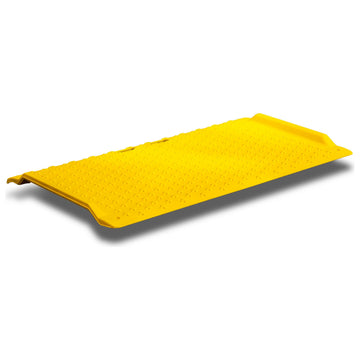
A steel driveway kerb ramp plate is a heavy-duty galvanised steel ramp designed to provide a safe, smooth transition over driveway kerbs. It is suitable for residential, commercial, and industrial driveway access, and is used to bridge kerbs, crossovers, drains,
and uneven driveways. It's compatible with cars, trailers, trolleys,
wheelchairs, and light commercial vehicles.
How much weight can a steel driveway ramp
typically support?
Steel Driveway Kerb Ramp Plate from eSafety Supplies has a maximum load capacity of 1,250kg per wheel.
What is the best driveway ramp material for heavy vehicle use?
For heavy vehicle use, galvanised steel is the recommended material. The 7mm thick hot-dip galvanised steel construction delivers excellent load-bearing performance while resisting rust and corrosion in harsh outdoor conditions.
How do I install a driveway ramp without permanent fixtures?
Most ramps are freestanding or modular, just position and go. No
drilling or permanent fixings are required for many models. However, the steel kerb ramp plate does come pre-drilled with 6 x countersunk mounting holes and can be fixed permanently to concrete or asphalt surfaces using 10mm x 75mm countersunk screws if preferred. Multiple plates can also be installed
side-by-side to create a wider access ramp.
What Australian standards apply to pedestrian kerb ramps?
Supplies states that most ramps are designed to meet Australian standards for access and safety, specifically referencing AS 1428 guidelines for gradient and load-bearing requirements.
Where are pedestrian kerb ramps required by law in Australia?
eSafety Supplies website does not specify legislative requirements. However, the site notes that kerb ramps are appropriate for government and public spaces, including council footpath transitions, aged care and medical facilities, and temporary access at public events.
What is the difference between a kerb ramp and a driveway ramp?
A kerb ramp is used to create smooth access across kerbs, thresholds, and uneven surfaces for pedestrians, wheelchairs, and trolleys.
A driveway ramp (like the steel kerb ramp plate) is specifically designed for vehicular access, bridging kerbs, crossovers, and drains for cars, trailers, and light commercial vehicles.
eSafety Supplies stocks these as distinct product categories.
Can pedestrian kerb ramps be used in both commercial and residential settings?
Yes. eSafety Supplies lists applications across residential use (homewheelchair access, driveway lips), commercial/industrial use (warehouse trolley ramps, loading docks), and government/public spaces (council footpaths, aged care facilities).